A plastic component may look simple, but producing it takes careful planning and consistency. From material selection and part geometry to tooling and production, every factor influences the final product. Choosing the right Custom Plastic Injection Molding approach helps you address the situation easily. That’s why, once you understand your product’s requirements, you can make smarter decisions before investing.
What To Consider Before Manufacturing Starts
Start by understanding what the component needs to achieve. Its function, operating environment, dimensions, and assembly requirements guide proper manufacturing decisions. For example, an industrial component needs mechanical strength; an automotive part requires heat resistance; and medical applications involve additional material and quality requirements.
A process suitable for limited production may not offer the same value for larger manufacturing programs. Before moving forward, evaluate these important factors:
- Component geometry and complexity
- Material characteristics and performance
- Critical dimensions and tolerances
- Expected production quantities
- Surface finish requirements
- Assembly and secondary operations
- Tooling investment and expected tool life
- Future production requirements
Design For Manufacturing
A product design should work well beyond the computer screen. Design-for-manufacturing analysis can also reveal opportunities to simplify your component. This collaboration makes Custom Plastic Injection Molding more predictable. It also helps connect engineering decisions with practical production requirements.
Material selection should reflect how your component will perform in real use. Flow characteristics, shrinkage, and processing temperatures can influence dimensions and finished-part quality. Discuss material options before finalizing your design and tooling.
Right Manufacturing, Improved Results
Choosing a supplier based only on equipment or pricing can overlook important capabilities. When evaluating Custom Injection Molding Manufacturers, consider their engineering experience, tooling knowledge, material expertise, and quality processes. Also assess their ability to support different project stages. A capable partner should understand your immediate requirements and future manufacturing goals.
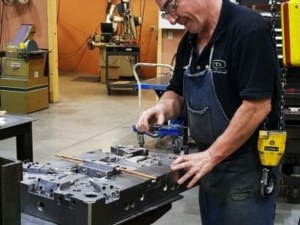
Tooling requirements depend on part complexity and expected production volume. Prototype tools can support early testing, while bridge tools may help during intermediate production. Long-term manufacturing programs require more durable production tooling. These decisions influence more than the initial investment.
Look Beyond the Molding Machine
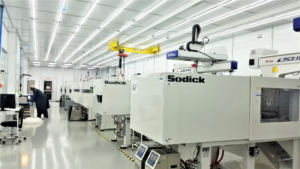
Equipment capacity matters, but it doesn’t tell the full manufacturing story. When comparing Plastic Injection Molding Services, consider how each supplier handles the complete production workflow. This broader evaluation can reveal value that an equipment comparison might miss.
Quality should be part of product development, not an activity reserved for final inspection. Clear specifications help establish consistent expectations across engineering and production teams. Process consistency also deserves attention. Material handling, temperature, pressure, cooling, and cycle conditions can influence finished-part variation. Regular monitoring can help identify problems before they affect larger production quantities.
Long-Term Production Cost
The initial tooling quotation represents only one part of your manufacturing investment. Maintenance, material consumption, cycle times, scrap, and production efficiency also influence overall costs. Future demand can influence your decisions. This is where experienced Custom Injection Molding Manufacturers can provide useful guidance.
The right Plastic Injection Molding Services should address these factors together. Early collaboration helps you identify risks, refine designs, and set realistic production expectations. When engineering and manufacturing work toward the same goals, the transition becomes easier to manage.
Choose Experience That Supports
A dependable manufacturing relationship combines technical knowledge with practical production experience. You need capabilities that support your component from early development through manufacturing.
Pioneer Plastics Inc. brings decades of experience in engineering, tooling, thermoplastic and thermoset molding, assembly, and product development. Its integrated capabilities help you turn product requirements into practical manufacturing solutions while maintaining focus on quality and production efficiency.