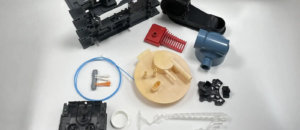
A medical part needs more than just meeting its specifications. It also needs to fit and function properly within the application. Discovering design problems late in the prototype stage, after tooling is complete, can cause delays. This is where Prototype Plastic Injection Molding becomes very important. It lets you test physical parts before full-scale production begins.
Development Requires Prototyping
Medical product development consists of decisions that can affect the final result. Material selection, dimensional accuracy, assembly, and functional performance all need proper evaluation. A physical prototype helps you inspect the actual component and identify the issues.
Initial testing lets you address these concerns before production tooling becomes a major investment. It also helps your engineering team work with clearer information. Your prototype evaluation can focus on:
- Critical dimensions and tolerances
- Component fit and assembly
- Material characteristics
- Surface finish and appearance
- Functional performance
- Design manufacturability
- Interaction with surrounding components
How Can Prototyping Improve Design?
A prototype should reflect how the finished component will actually be used. Medical Plastic Injection Molding requires attention to the relationship between material properties and application requirements. Testing these details early can help you refine the design. It can also prevent avoidable changes later in manufacturing. You can examine the results and determine whether the component meets its intended requirements.
Prototype Plastic Injection Molding can provide useful insight into dimensions, fit, geometry, and manufacturability. These findings help you decide which features need improvement. Design-for-manufacturing reviews can identify these concerns before you build tooling. This allows you to make adjustments while development remains flexible.
Select The Right Materials
Material selection can influence both product performance and manufacturing behavior. Different plastics offer different combinations of strength, flexibility, temperature resistance, and chemical resistance. Evaluate the component’s intended operating environment before selecting a material. Consider its functional requirements and any applicable medical product specifications.
Medical Device Plastic Injection Molding also requires attention to the relationship between the material and the complete device. A component must perform as intended within its design.
Selecting a resin based only on availability or initial cost can overlook important requirements.
Validate Before Full-Scale Production
Before moving forward, review whether your prototype has answered the most important design questions. You should understand its functionality, dimensions, assembly requirements, and manufacturing considerations.
For medical applications, Medical Plastic Injection Molding should also be evaluated against the intended product requirements. Focus on material suitability, component consistency, and manufacturing controls. Establish clear specifications before production begins. These should identify critical dimensions, acceptable tolerances, material requirements, and inspection expectations.
Consider the Complete Device
A medical component rarely works entirely on its own. Its performance may depend on surrounding parts, interfaces, and assembly conditions. You should therefore evaluate how the prototype fits into the complete device. Check whether connections, clearances, and assembly features work as intended. Medical Device Plastic Injection Molding involves more than producing a plastic part. Understanding its role within the larger product helps you make better design decisions. This can also reveal opportunities for easier assembly.
Convert Testing Into Production Confidence
Prototyping replaces assumptions with practical information. It allows you to identify design concerns, evaluate materials, and prepare components for manufacturing. By connecting engineering, physical testing, and tooling decisions, product development becomes more structured. You can address important questions before production commitments increase.
With decades of manufacturing experience, Pioneer Plastics Inc. supports product development through engineering, tooling, prototyping, injection molding, and assembly capabilities. Its integrated expertise helps you move from early concepts toward dependable manufacturing for demanding applications.