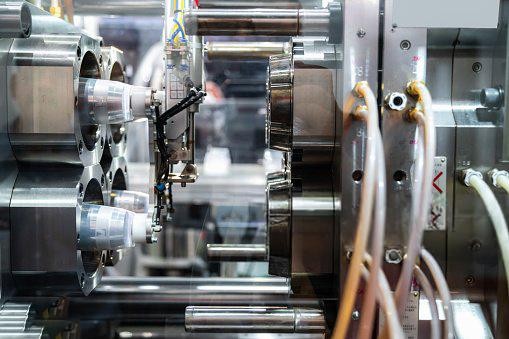
Every production-ready product begins with unanswered questions. Will the part perform as expected? Is the material suitable? Can the design be manufactured efficiently? Finding the answers early can save months of rework and unexpected expenses. Using Prototype Plastic Injection Molding allows you to answer those questions before investing in production tooling, helping you make smarter decisions with fewer risks.
Why Prototype First?
Skipping the prototyping phase could offer some initial savings, but there could be much bigger issues to come. A prototype lets you test the product in real-world conditions before committing to full-scale manufacturing. Using a prototype, you will be able to:
- Check out the dimensions of all components
- Test the functionality of the product
- Detect flaws in the design
- Perfect the assembly process
And avoid many risks associated with product development.
Design Work for Every Application
The answer is rarely yes. Different industries have different performance requirements. An item for consumers would be concerned with aesthetics, whereas the same part used in an industry would need durability. Medical products generally require greater precision. This is why the design validation process should not be generalized. Prototyping helps tweak every aspect of the product to align with its purpose.
Material Choice Matters
Selecting the wrong type of resin may affect a product’s strength, longevity, and service life. The selection of material must be based on the product’s performance requirements rather than on costs alone. Products made for medical purposes require materials that deliver high performance in terms of quality and durability.
For products used in healthcare, Medical Plastic Injection Molding requires materials that deliver consistent quality while meeting demanding performance standards. Factors such as chemical resistance, dimensional stability, and long-term reliability all influence the final decision.
Design with Manufacturing in Mind
A perfectly designed graphic on the computer does not necessarily translate into easy-to-produced parts. As part of the prototyping stage, manufactures will consider factors that impact producibility, such as:
- Wall thickness
- Draft angles
- Rib locations
- Gate locations
- Flow of material
- Part geometry
This will help increase production efficiency without unnecessary changes to the tool.
Is Your Product Ready for Production?
This is among the most important answers that prototypes can give. Effective testing involves more than just seeing if the piece fits into place. Testing ensures that the item can be mass-produced, assembled efficiently, and scaled up without sacrificing quality. The prototype review process should consider:
- Function testing
- Dimensions checking
- Assembly evaluation
- Performance testing
- Manufacturability
These will provide better insight before producing tooling.
Why Precision Matters in Medical Applications
Medical parts leave little room for mistakes. Minor variations could impact part functionality, part construction, or regulatory considerations. Projects that require Medical Device Plastic Injection Molding require higher tolerances, material reliability, and a consistent manufacturing process.
With prototyping, manufacturers can test these factors before actual production, reducing development risks and increasing the reliability of the final product. Even though the products may come from different industries, using the same level of precision yields better manufacturing results.
Manufacturing Success Starts Early
A successful product never comes out of nowhere. It takes planning, smart engineering, and testing before manufacturing. By working with a manufacturer who understands their business, you can anticipate potential problems and ensure good product performance before moving to production.
Build with Confidence
The transition from a prototype to manufacturing requires more than just cutting-edge technology. The right people who know how to turn a concept into a product, planning, and a manufacturing partner with engineering experience are required for this process.
Pioneer Plastics, with its long history in the industry, will be there for you at each step of your product development process. With their help, you will be able to validate your idea and get it ready for manufacturing.
Alright gamblers! 777bet10… the name itself is lucky, or hopefully will be!! I am always on the look out for a new place to win some money. Check it out and see if the luck is with you. 777bet10