A production-ready part rarely comes from the first design. You may need to test dimensions, materials, fit, strength, or assembly before committing to expensive production tooling. Early validation gives you evidence, not assumptions.
That is where Prototype Plastic Injection Molding becomes valuable. By testing a physical version of your component, you can identify design issues, evaluate performance, and make informed changes before production begins.
Turn Design Decisions Into Evidence
A digital model will tell you what a part looks like. It cannot always tell you how the part will perform under real-world conditions. Physical prototypes let you assess the real thing before making bigger investments in production.
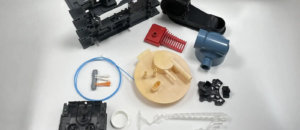
With the Prototype Plastic Injection Molding Process, you can inspect the physical part rather than relying on modeling and guesswork. This lets you verify dimensions, connections, surfaces, assembly points, and overall functionality.
Prototype injection molding can also highlight issues that can easily go unnoticed in the design phase. A component might be dimensionally correct but problematic for assembly or use.
What Should You Validate First?
Validation needs depend on how the component will be used. Rather than validating everything, start with the aspects that pose the biggest risks during production and operation. You might consider validating the following:
- Part dimensions and tolerances
- Fit with the mating parts
- Assembly process
- Material properties
- Functionality
- Visual inspection
- Moldability problems
- Required changes in design before tooling
When Does Medical Prototyping Need Extra Attention?
Medical components generally need additional care during development, since issues related to performance, repeatability, and regulatory compliance can have serious implications. A seemingly small design issue can affect usability, assembly, and the medical component’s functionality.
Medical Plastic Injection Molding can be used to develop and test plastic components intended for demanding medical applications. Prototypes can help you assess component design before full-scale manufacturing.
The same applies to medical device components. Medical Device Plastic Injection Molding can help assess how a component interacts within the device and whether its design works for the intended application. In medical development, prototype assessment may include multiple criteria such as:
- Dimensional consistency
- Fit of the component within the device and interaction with other parts
- Material choice
- Performance
- Manufacturing capability
- Assembling
- Scalability of manufacturing
Connect Prototyping With Manufacturability
A prototype should not be separate from your final manufacturing plan. Failing to consider production during your design process will likely cause difficulties when you move into production tooling. Thinking about Prototype Plastic Injection Molding early in your development process gives you the chance to catch molding challenges you might face. Consider wall thickness, draft, parting lines, and other design issues.
This is especially relevant for medical uses. Medical Plastic Injection Molding needs you to carefully think about how your part design, materials, tooling, and production needs interact. Considering all these factors at once lets you make adjustments as needed.
Build Toward the Final Part
The prototype should answer specific questions about the final product. The prototype should also help you identify needed changes before production starts. For instance, during testing, you may realize that one part requires size adjustment to fit. You may realize that a feature makes molding difficult or that an assembly interface needs improvement.
This information is valuable because it turns uncertainty into knowledge. In addition, Medical Device Plastic Injection Molding comes in handy, especially when multiple components must work together in one medical device. Also, the conditions under which you evaluate the prototype can affect how useful the information you gain is.
Know When to Move Forward
A prototype does not have to be a production part right away. The best time depends on how many major design decisions you’ve already solved. Before committing to making production tooling, think about what you’ve learned in Prototype Plastic Injection Molding. Make sure you have adequately tested the crucial elements of the product design.
For medical applications, you also need to consider Medical Plastic Injection Molding. It all depends on the needs of the final product and its production environment. Remember, the goal isn’t to achieve perfection right away. The main goal is to identify the most important problems and solve them while it is still possible.
Prepare for Scalable Manufacturing
Prototype development must also tie into your overall manufacturing approach. The choices that you make when developing a prototype will affect the tools, materials, cycles, quality, and cost of manufacture. For this reason, Medical Device Plastic Injection Molding should not be treated as an isolated part of the product development process.
The manufacturer needs to understand the issues around both prototyping and future manufacturing. A carefully planned transition will make this move less risky. It also helps you understand what you need to do before increasing production volumes.
Make Prototyping Part of the Strategy
The best prototyping systems do more than create physical parts. They let you test assumptions, find weak spots in your design, and make informed manufacturing decisions without wasting resources. Whether you are developing a general plastic part or need something for a medical application, Prototype Plastic Injection Molding gives you the chance to learn from a physical part.
Move From Prototype to Production
Choosing the right manufacturing partner can make the difference between a proven design and a finished component. The right experience can help connect prototyping, tooling, engineering, and manufacturing needs.
With many years of experience, Pioneer Plastics helps develop products through engineering, tooling, injection molding, and manufacturing services. Experience in tough applications makes it easier for customers to move from concept to production.