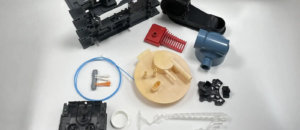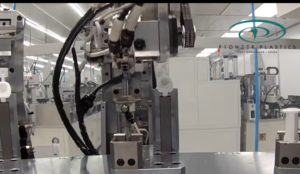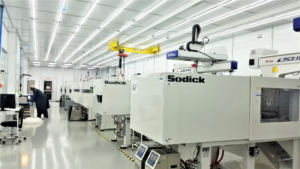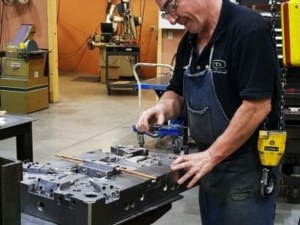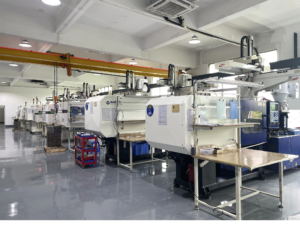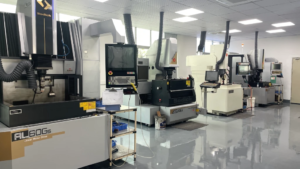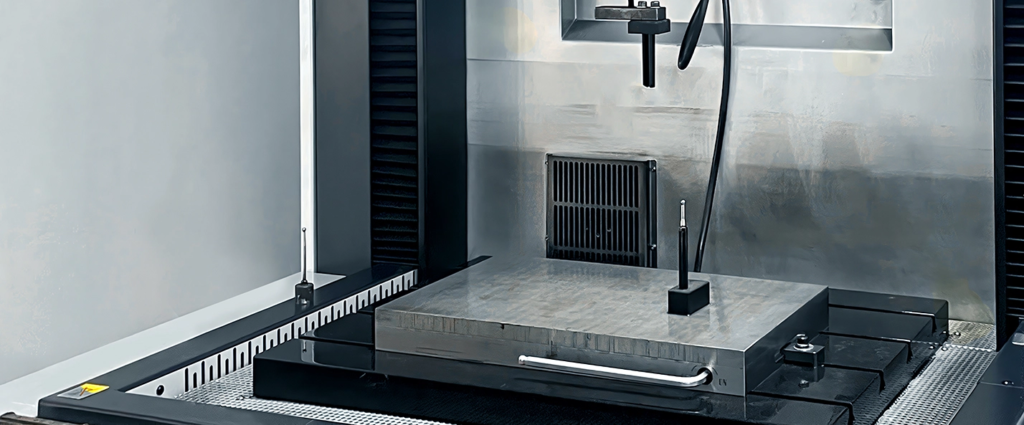
A plastic part can look simple on paper but become complex during production. Material behavior, tolerances, tooling, part geometry, and production volume can all influence the final result. Choosing the right manufacturing approach early can prevent costly changes later.
Custom Injection Molding gives you flexibility when standard manufacturing solutions cannot meet your product requirements. By evaluating your design, materials, tooling, and production goals together, you can build a process around what your part actually needs.
What Should You Evaluate Before Choosing a Process?
First, consider what the part needs to achieve. A part destined for medical, automotive, industrial, or military use requires entirely different manufacturing considerations. Identify the requirements for that part. These may include strength, stability, appearance, thermal requirements, chemical exposure, and assembly capability.
Production volume is another factor to consider. What works well in smaller batches may not be valuable at higher volumes. Consider how the part will interact with other components. In tight interfaces, dimensional accuracy becomes crucial during manufacturing. An evaluation that takes into account such aspects as:
- Shape and complexity of the part
- Requirements for material
- Volume of production
- Critical dimensions and tolerances
- Surface finish requirements
- Requirements for assembly
- Tooling costs
- Goals of long-term production
These factors help you determine whether Custom Plastic Injection Molding suits your application. They can also reveal potential design changes before you begin tooling.
Design Should Support Manufacturing
The part’s design should not only meet its functional requirements. It should also support repetitive, consistent molding. Factors such as wall thickness, draft, ribs, bosses, and transitions may affect the molding process. Considering these details at the design stage helps prevent manufacturing problems.
This is one area where Custom Injection Molding Manufacturers can add extra value through their engineering skills. Through design review, you can predict production issues before they require expensive tooling modifications. You can also optimize your design for manufacturing.
Material Selection Can Change the Outcome
Selection of material should not just be an afterthought. The resin must suit the component’s function and the manufacturing process. Materials vary in how they respond during molding. Issues like shrinkage, flow properties, temperature needs, and dimensional stability might influence the final product.
For this reason, you need to analyze material selection alongside the part design and the tools you will use. This improves predictability in Custom Injection Molding and keeps you from making decisions based solely on material price. If you have specific application criteria, determine those before selecting manufacturing tooling.
How Can the Right Manufacturer Improve Your Results?
Selecting a supplier based only on equipment and quoted pricing can create unwanted risks. You need a manufacturer who understands the entire process, from design through manufacturing. The right Custom Injection Molding Manufacturers will know your application and can explain how to manufacture it. They will know the tooling, materials, specifications, quantities, and any other manufacturing concerns.
Engineering support is quite significant during the initial phases. Design-for-manufacturing feedback can help you avoid problems before they become issues during tooling and manufacturing. Assess whether they can help you meet future requirements.
Look Beyond the Initial Tooling Cost
The tool is a significant part of your manufacturing investment. Yet the lowest starting price doesn’t necessarily mean the lowest production cost. Consider tooling life, maintenance needs, cycle efficiency, product quality, and modification potential.
All of these aspects affect total production cost over time. An intelligent Custom Plastic Injection Molding approach considers all these aspects before choosing tooling. This helps balance your upfront investment with your eventual production capabilities.
Plan for Quality From the Start
Integrate quality into the manufacturing process, not just test it afterward. Specifications and requirements help set clear expectations. Determine critical dimensions, tolerance levels, required materials, and inspection criteria in advance to give your manufacturer clear manufacturing guidelines.
Repeatability must be achieved during molding. Keep processing conditions constant to maintain part quality from batch to batch. For Custom Injection Molding, a quality plan should unite all the aspects mentioned before – design, tooling, materials, molding, and inspection. Treating each aspect independently makes troubleshooting more difficult.
Think About Production Beyond the First Order
Your production needs may vary post-launch. Demand may increase, designs may evolve, and new components may enter production. Planning can help ease future changes. Consider whether your tooling and production strategy can support increased demand.
This is another good reason to review Custom Injection Molding Manufacturers. The manufacturer’s capabilities, engineering support, tooling services, and production capacity may influence your decision. A supplier needs to understand the significance of communication. Communication helps you address design or production issues early.
Build a Manufacturing Strategy Around Your Product
No single solution fits all plastic components or molding processes. To choose the right one for your needs, consider all the above factors together.
By doing so, Custom Plastic Injection Molding may be a viable route to achieving consistency in your production process. It may also give you more control over design considerations and manufacturing costs.
The key is to make manufacturing part of product development from the beginning. Early collaboration helps you identify risks, refine the design, and set realistic production expectations.
Choose Experience That Supports the Entire Process
A strong manufacturing partner can affect the quality and success of your product’s production. It requires technical knowledge that goes beyond running a molding machine.
Pioneer Plastics has technical knowledge and manufacturing experience in thermoplastic and thermoset molding, tooling, assembly, and product development. This enables you to connect engineering considerations with production requirements and bring your product closer to manufacturing success.