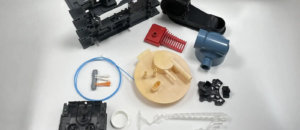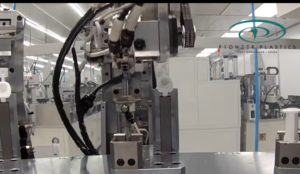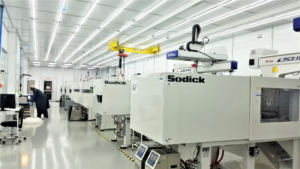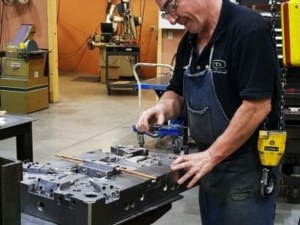
A molded component is only as reliable as the process behind it. Design choices, tooling quality, material selection, and production planning can all affect the final part. When you plan these elements together, you can reduce manufacturing risks and improve production consistency.
Injection Molding And Tooling Services can help you connect early design decisions with dependable production outcomes.
What Should You Plan Before Production Begins?
Before production, you need to know what your component must do. Its size, geometry, material, tolerance, and expected volume can influence the manufacturing approach. Also consider how the component will function with other components. Tight interfaces could cause additional tooling work.
Proper development processes can address these points before you consider tooling. This gives you a chance to spot potential problems and make changes without difficulty. Your development plan needs to consider:
- Geometry of the part and complexity
- Material selection
- Tolerances and critical dimensions
- Expected volume
- Life of the tools
- Assembly of the part
- Quality
- Production in the future
These considerations can help you establish more practical Injection Molding and Tooling Services requirements. They can also give your engineering team clearer direction before tooling begins.
Connect Design With Manufacturing
Your part design should work with the manufacturing process. What seems like a good feature in a computer-aided design might create an unnecessary complication during molding. Wall thickness, draft, ribs, bosses, undercuts, and transitions may affect tooling. Analyzing these factors early can make your part easier to manufacture without sacrificing functionality.
Design-for-manufacturing can offer even more information. Spotting problems early helps avoid cost and schedule issues. This is especially helpful for complex parts.
Choose Tooling Based on Your Goals
Not all projects need the same tooling approach. Depending on your anticipated production rate, stage of development, and budget, you may find different approaches more appropriate. You can use prototype tooling to assess a design before committing more heavily. Bridge tooling can accommodate lower to moderate production rates until further notice.
If you anticipate continued production, production tooling may be a better option. So your tooling strategy must consider your present and future needs.
How Can the Right Process Improve Your Production?
A molding process requires not only a working mold but also a process that supports quality, efficiency, and realistic costs. Consider Injection Molding and Tooling Lexington IL services when you need manufacturing support in the Midwest USA. Group Tool, based in Lexington, IL, specializes in thermoplastic injection molding and thermoset injection and compression molding processes.
This company serves the automotive and industrial manufacturing industries. They also offer secondary operations, assembly, materials, and quality control. Having all these capabilities in one place will improve communication between your tooling and manufacturing processes. It can also help solve manufacturing issues without going through each stage individually.
Evaluate More Than Equipment
Capacity matters, but you need to consider more than just capacity. Consider engineering knowledge, material experience, quality processes, and tooling. See how suppliers deal with tough geometry and changes in design and tooling, and how they deal with quality issues.
It is also important to know whether they can help at various production levels. Suppliers that can support you from development through production may offer better continuity. For an injection mold manufacturing company, look at the entire manufacturing process. Technical skills matter, but communication and problem-solving can also make a difference.
Consider the Full Cost of Production
The first tooling cost quote won’t tell the full financial story. Factors such as maintenance, cycle time, scrap, repairs, longevity, and efficiency can all affect your total cost. A better assessment would cover the whole production process. Consider how each option might perform over the long term, beyond the first production run.
A cheaper tool, for instance, may not have the longevity required for continuous production. Spending wisely at the start could save money in the long run. Consequently, assess Injection Molding and Tooling Services based on total cost of ownership.
Plan for Future Production
Your manufacturing needs can vary even after product launch. Increased demand, a design change, or other factors can change your tooling needs. Considering such issues will make things easier for you in the future. We recommend discussing volume increases and any modifications before deciding on tooling. This is even more true when you expect the product to stay in production for several years.
Build a Connected Manufacturing Strategy
Tooling and molding must complement each other, not operate as separate processes. When design, engineering, materials, and production are synchronized, you can make more effective production choices.
Whereas, if you are analyzing Injection Molding and Tooling Lexington IL, look at what capabilities suit the requirements of your project. The right location and technological capabilities will support your production process. Also consider whether your selected partner can meet your needs, even if they change in the future.
Choose the Right Partner for Your Product
The right manufacturing solution can affect your part’s quality, production efficiency, and future costs. You require technical expertise that combines tooling, molding, engineering, and production solutions.
Pioneer Plastics has over 40 years of experience and offers such manufacturing processes as injection molding, tooling, engineering, assembly, and international manufacturing. Additionally, the company’s Group Tool facility located in Lexington, Illinois, offers thermoplastic and thermoset molding services for industrial and automotive applications.